Personal finance, made easy.
New to money management? Finance Easy is personal finance for beginners, explained in plain English — no jargon, no lectures, no judgment. Learn how to make a budget, how to save money, and how to get out of debt, one small step at a time.

Start here
The four guides every beginner needs
Most money stress comes from four things: not knowing where your money goes, having no cushion for surprises, expensive debt, and a credit score you don't understand. These guides tackle them in order.
How to Make a Budget That Actually Works
A budget isn't a punishment — it's a plan you make before the month starts. Learn the simple steps, the 50/30/20 rule, and see a full worked example.
Read the guide →
How to Build an Emergency Fund
A flat tire or a lost paycheck shouldn't become a debt spiral. Start with a small starter goal, grow it to 3–6 months of essentials, and keep it in the right place.
Read the guide →
How to Pay Off Credit Card Debt
Debt avalanche vs snowball — which payoff order saves more money, which keeps you motivated, and a step-by-step plan to become debt-free.
Read the guide →
Credit Scores Explained
What a credit score actually is, the five factors behind it, the everyday habits that move it, and the myths that don't. Plus how to improve your credit score steadily.
Read the guide →Keep going
Four more guides for your next steps
Once the basics are in place, these guides cover the next questions beginners ask: how to actually start saving, what retirement accounts are, how a house down payment comes together, and how to shrink the bills you already pay.

How to Start Saving Money on Any Income
Saving isn't a salary level — it's a system. Pay yourself first, automate a small transfer, and free up room one bill category at a time.
Read the guide →
Retirement Accounts Explained: 401(k) and IRA Basics
What a 401(k) and an IRA actually are, how an employer match works, and how Roth and traditional accounts differ — in plain English.
Read the guide →
How to Save for a House Down Payment
Set a realistic target, do the timeline maths, keep the money somewhere sensible, and avoid the mistakes that quietly reset the clock.
Read the guide →
How to Lower Your Monthly Bills
A step-by-step bill audit: forgotten subscriptions, insurance renewals, energy and phone plans — plus polite scripts for asking for a better deal.
Read the guide →Go deeper
Understand the pieces behind the plan
Short, focused explainers for the questions that come up once you're budgeting and saving: building credit from zero, choosing between account types, how interest really works, and the mistakes almost everyone makes once.

How to Build Credit from Scratch
No credit history yet? Here's how a credit file starts: first cards, secured cards explained, and the everyday habits that build a record over time.
Read the guide →
Checking vs Savings Accounts Explained
Two accounts, two different jobs. What each one is for, how interest works in general, the fees to watch for, and how people typically use both together.
Read the guide →
How Compound Interest Works
Interest earning interest on itself — the idea behind both growing savings and growing debt. Explained with simple, worked maths you can check yourself.
Read the guide →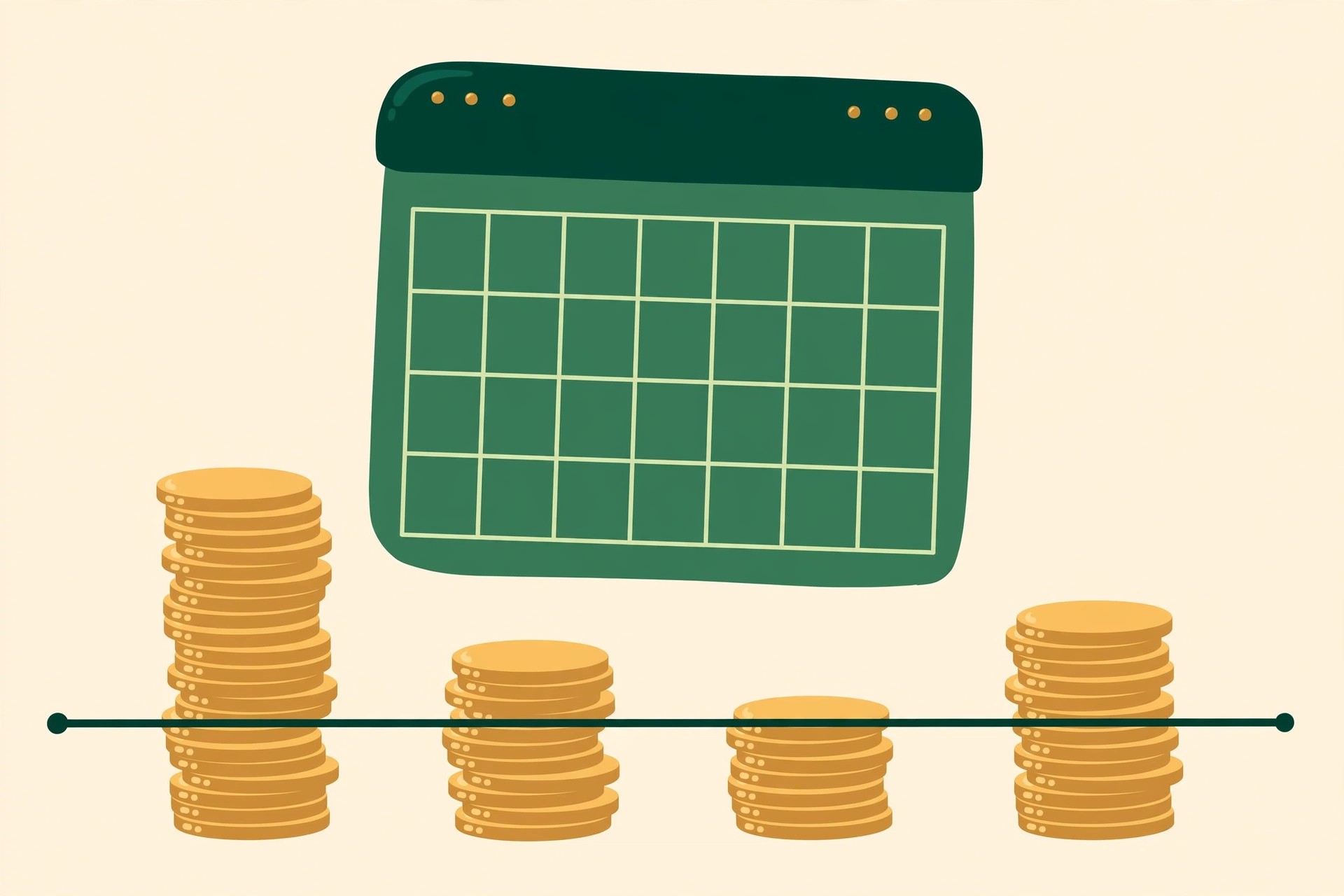
Budgeting on an Irregular Income
Freelance, gig, or seasonal work? Budget from a baseline month, split every payment by percentages, and use a buffer account to smooth the ups and downs.
Read the guide →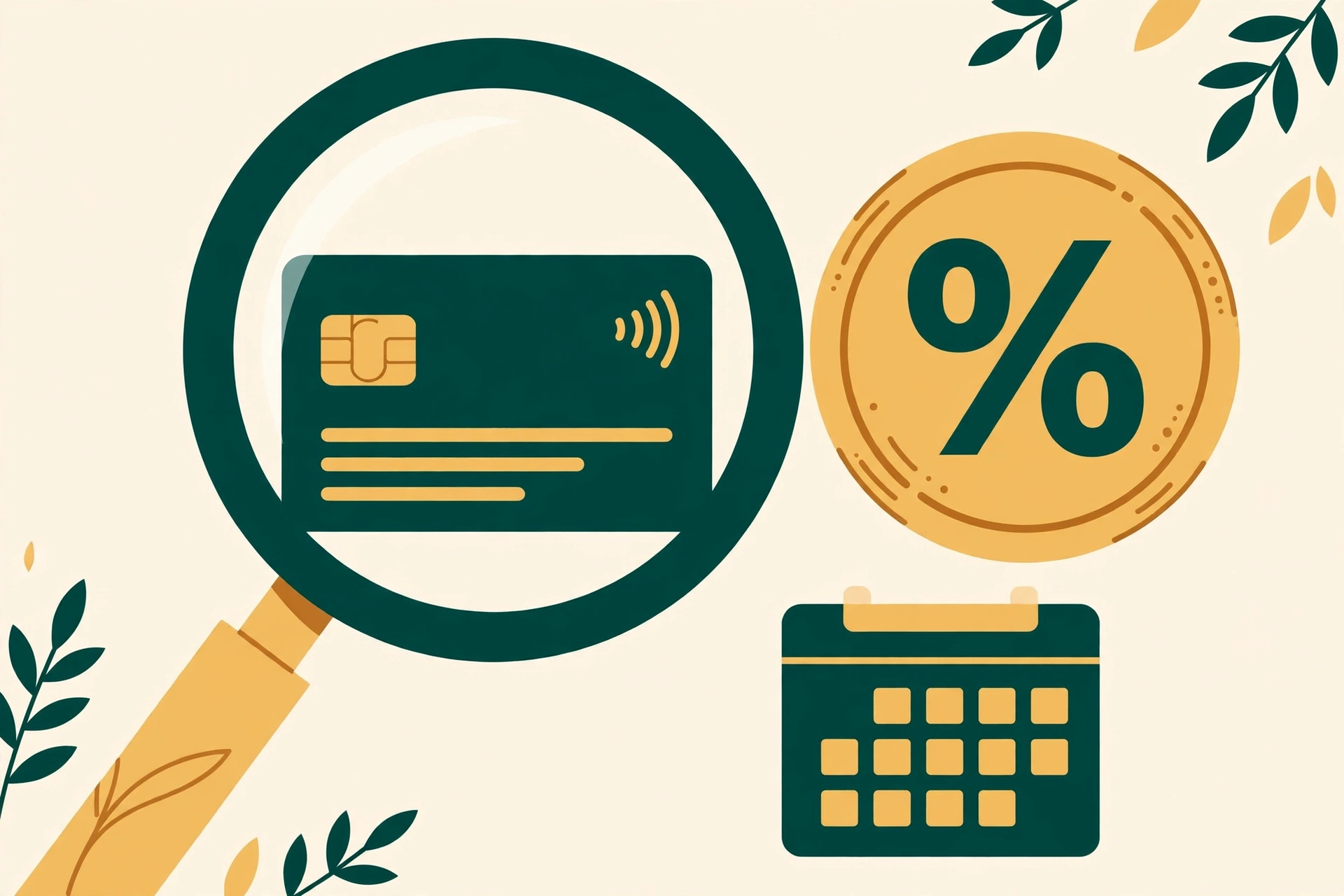
What Is Credit Card APR?
APR explained plainly: how it differs from the interest you actually pay, what a grace period is, and why minimum payments stretch a balance for years.
Read the guide →
Common Money Mistakes (and How to Avoid Them)
Lifestyle creep, the minimum-payment trap, subscription drift, no buffer for surprises — the patterns that catch almost everyone, and the gentle fixes.
Read the guide →
How to Set Financial Goals That Stick
Turn “save more” into a goal with a number, a date, and a monthly amount — sorted into short, medium, and long-term buckets, with a review rhythm that keeps them alive.
Read the guide →Never made a budget before?
Our budgeting guide walks you through it step by step, with a worked example and a free 50/30/20 calculator.
Browse by topic
Pick the topic you need today
You don't have to fix everything at once. Choose the one that's on your mind and start there.
Budgeting
How to make a budget you'll actually stick to, using the 50/30/20 rule as a starting point.
Saving
How to save money on any income, starting with an emergency fund that covers life's surprises.
Debt
How to pay off credit card debt with a clear plan — avalanche vs snowball explained honestly.
Credit
How credit scores work and how to improve your credit score with habits, not tricks.
Quick answers
Questions beginners ask us most
What is the very first step in personal finance?
Knowing where your money goes. Before changing anything, track one normal month of spending. Most people are surprised by one or two categories — and that surprise is exactly what makes a budget work. Our budgeting guide starts there.
How much should I save each month?
A common starting target is the 50/30/20 rule: about 50% of your take-home pay for needs, 30% for wants, and 20% for savings and extra debt payments. Treat it as a direction to move toward, not a pass/fail test — saving something small every month beats saving nothing while you wait for the “right” amount.
Should I save money or pay off debt first?
Many people do both in stages: build a small starter emergency fund first (often around $1,000) so a surprise doesn't go straight onto a credit card, then focus extra money on high-interest debt, then grow the emergency fund to 3–6 months of essential expenses. The emergency fund guide explains the order and why.
Can I improve my credit score fast?
There's no legitimate instant fix — anyone promising one is selling something. Scores improve as a pattern of on-time payments and lower card balances builds up over months. The good news: the habits that help are simple, and our credit score guide lists them in order of impact.